
Culture and Connections: UNA-NYC Visits the Neue Galerie
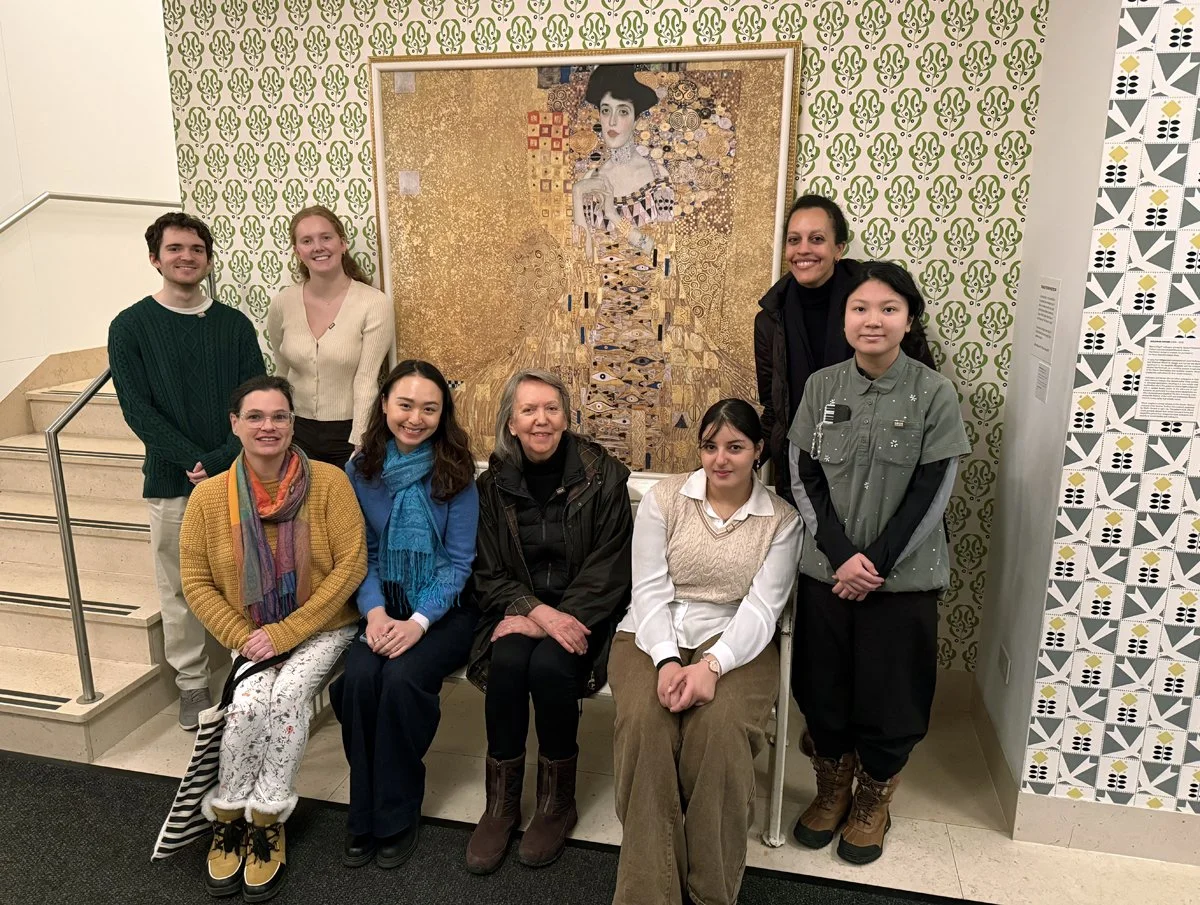
UNA-NYC members gather in front of a replica of Gustav Klimt's Portrait of Adele Bloch-Bauer (“The Woman in Gold”), in the Neue Galerie, February 22, 2026.
On Sunday morning, February 22, fifteen members and friends of the United Nations Association of New York braved an impending snowstorm to visit the Neue Galerie on Fifth Avenue, one of New York's most intimate and extraordinary museums, dedicated to early 20th-century German and Austrian art and design. Their dedication set the tone for a morning well worth the journey.
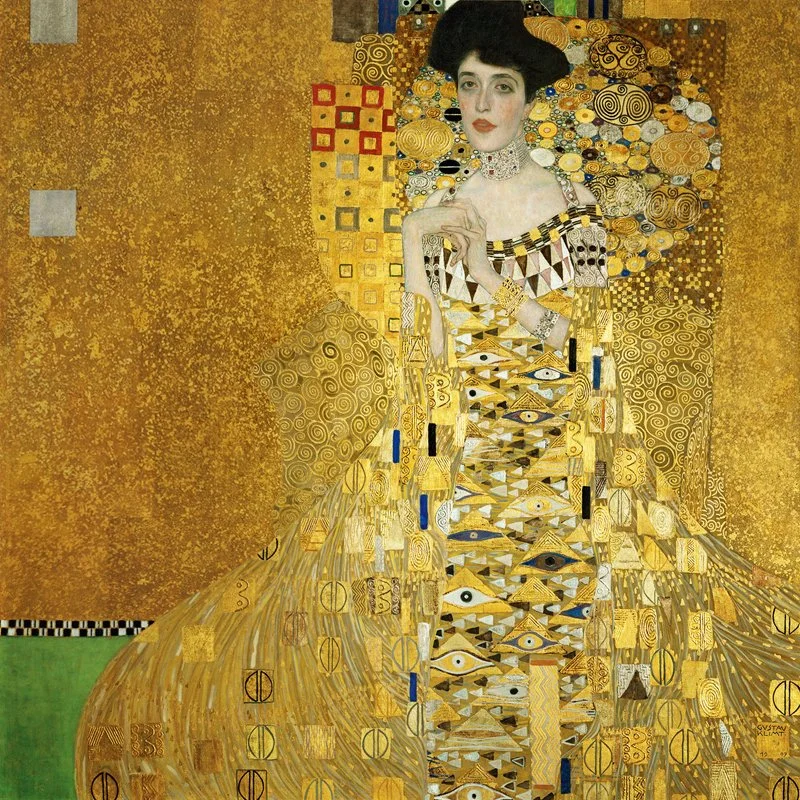
The Woman in Gold
Our knowledgeable docent spent considerable time with the museum's crown jewel: Gustav Klimt's Portrait of Adele Bloch-Bauer I, famously known as The Woman in Gold. Painted in 1907, it shimmers with Byzantine influence, gold leaf, and symbolist sensuality.
Adele Bloch-Bauer was a prominent Viennese Jewish socialite and patron of the arts. When the Nazis annexed Austria in 1938, the Bloch-Bauer family's estate was plundered and five Klimt paintings were seized. It took a landmark U.S. Supreme Court case to right that wrong. The paintings, valued at over $325 million, were ultimately returned to their rightful heir, Maria Altmann, in 2006. Ronald Lauder then acquired The Woman in Gold for the Neue Galerie, where it now rests, finally, in the right hands.
The Nazi looting of Jewish cultural property was systematic and vast. The international community has since worked to address these crimes, and the 1970 UNESCO Convention on cultural property remains one of the most influential cultural heritage treaties currently in force. Restoring stolen art is, at its core, a matter of human rights, and within the mission of the United Nations.
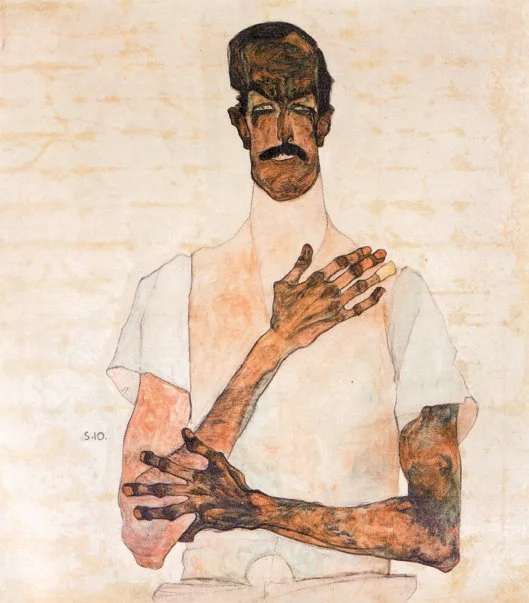
Egon Schiele and Dr. Erwin von Graff
We were also fortunate to visit during the current exhibition, Egon Schiele: Portrait of Dr. Erwin von Graff (shown at right), running through May 4, 2026. Between 1910 and his death in 1918, Schiele cultivated a close relationship with von Graff, a Vienna-based surgeon who became both friend and collaborator, granting Schiele access to his hospital to create expressive, deeply human renderings of pregnant women and newborns. Von Graff remained devoted to Schiele until the end, attending to him in his final hours as the artist succumbed to the flu epidemic of 1918 at just twenty-eight years old. It was a powerful reminder that great art grows from human connection and trust.
Der Blaue Reiter and the German Galleries
On the third floor, we explored works from Der Blaue Reiter — the Blue Rider movement, founded by Wassily Kandinsky and Franz Marc, with Paul Klee among its circle. They believed art could speak a universal language beyond national boundaries. The Nazis later condemned their work as degenerate and banned it. Today their paintings hang in one of New York's finest museums, recognized as among the most important art of the modern era.
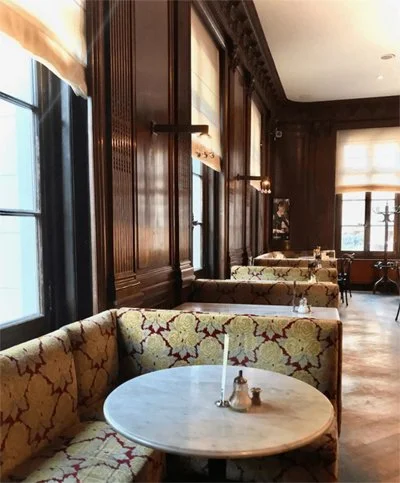
Café Sabarsky
A snowstorm was gathering outside. Fifteen of us were inside, standing before some of the most powerful works of the 20th century. It was a warm and lovely Sunday morning. And after the tour, several of us settled into Café Sabarsky, the museum's charming Austrian coffee house in the main lobby. Over Viennese pastries, coffee, and lunch, the conversation continued about what we had seen, about history and the state of the world, and simply about each other. We left knowing one another a little better than when we arrived. That, too, is part of the mission.
____
This is the third in a series exploring art, history and our shared humanity. As our Culture and Connections outings continue, we invite our members and friends to join us as we explore New York's extraordinary cultural institutions through the lens of what unites us all.
Stay tuned for our next cultural adventure.
____
Photography is not permitted inside the museum. Images in this article are courtesy of the Neue Galerie, New York.